
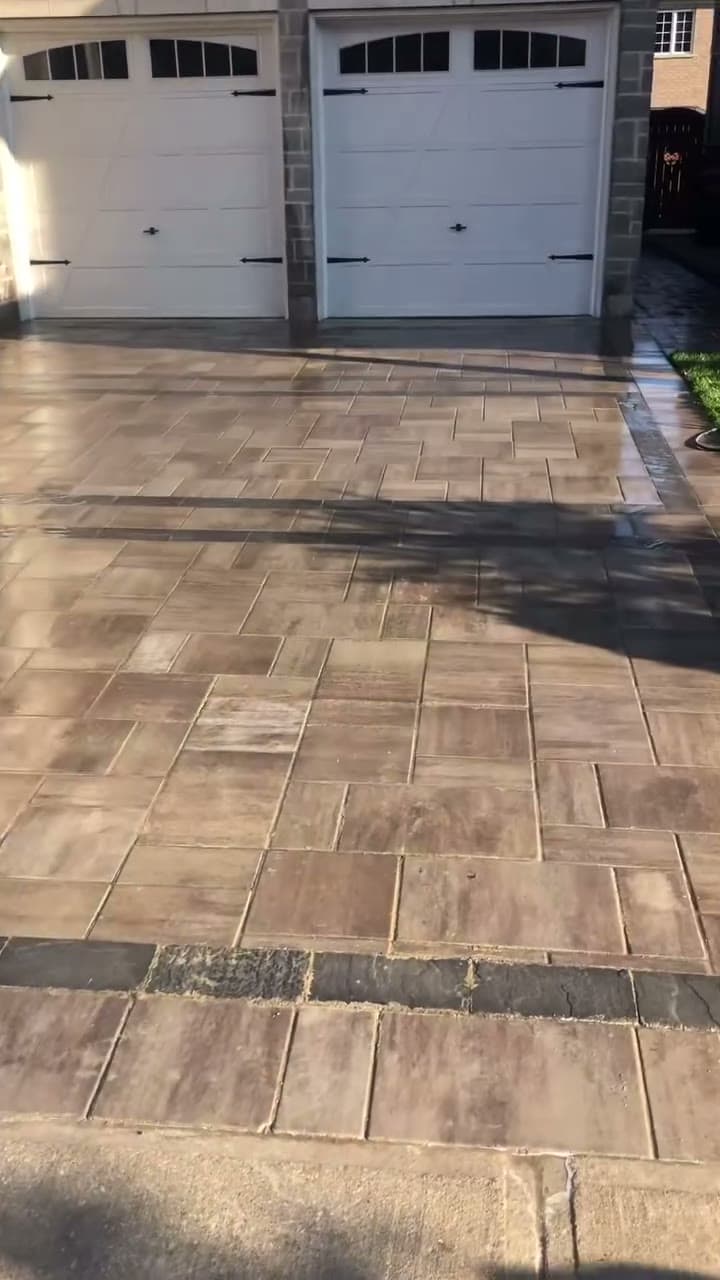
Driveway Interlocking in the Greater Toronto Area
Durable, properly graded interlocking driveways built on a solid base.
A properly installed interlocking driveway starts with what you cannot see — the base. At GC Reno Group, we excavate to the right depth, install and compact granular base layers, and lay interlocking pavers with the precision and drainage grading that prevent shifting, sinking, and pooling water through years of Canadian weather.
What Is Driveway Interlocking?
Driveway interlocking replaces poured concrete or asphalt with individual interlocking stone pavers laid on a compacted granular base. The pavers lock together and distribute weight across the surface, while the granular base provides stability and drainage. Proper base preparation is the most critical factor in a long-lasting interlocking installation — it prevents settling, shifting, and drainage problems that plague poorly installed driveways.
Interlocking stone driveways combine durability with curb appeal. GC Reno Group handles the complete process — removing old surfaces, excavating to proper depth, installing compacted granular base layers, laying interlocking pavers in your chosen pattern, and ensuring proper drainage grading. The result is a driveway that handles Canadian freeze-thaw cycles and looks great for years.
Why Choose GC Reno for Driveway Interlocking?
Proper Base Preparation
The longevity of an interlocking driveway depends almost entirely on what is underneath. We excavate to the correct depth, install granular base in lifts, and compact each layer with plate compactors to create a stable foundation that resists settling.
Freeze-Thaw Durability
Interlocking pavers handle Canadian freeze-thaw cycles better than poured concrete because the joints between pavers allow slight movement without cracking. Combined with a properly drained base, your driveway stays level and intact through winter.
Drainage Management
We grade your driveway to direct water away from your home's foundation and toward proper drainage points. Correct slope prevents pooling, ice buildup, and water intrusion issues.
Repairability
If a section of your driveway ever settles or a paver is damaged, individual stones can be lifted, the base corrected, and the pavers relaid — without tearing out the entire surface. This makes interlocking more maintainable than poured concrete over the long term.
The GC Reno Driveway Interlocking Process
Site Assessment
We evaluate your existing driveway, assess drainage conditions, and discuss paver styles and patterns. We measure the area and identify any grading or access considerations.
Preparation
The old surface is removed and disposed of. We excavate to the required depth — typically 12 to 16 inches for driveways — and install compacted granular base layers to create a stable, well-drained foundation.
Installation
A bedding layer of screening is laid and screeded to a precise grade. Pavers are placed in your chosen pattern, cut to fit edges and curves, and locked in with edge restraints and polymeric sand.
Final Compaction & Cleanup
The completed surface is plate-compacted to seat the pavers into the bedding layer. Polymeric sand is swept into joints and activated with water. We clean up the site and walk you through the finished driveway.
What Sets Us Apart
Pattern & Style Options
Interlocking pavers come in a wide range of colours, textures, and shapes. We help you choose patterns — herringbone, running bond, basketweave, or custom designs — that complement your home's exterior and provide the structural interlock needed for vehicle traffic.
Border & Accent Details
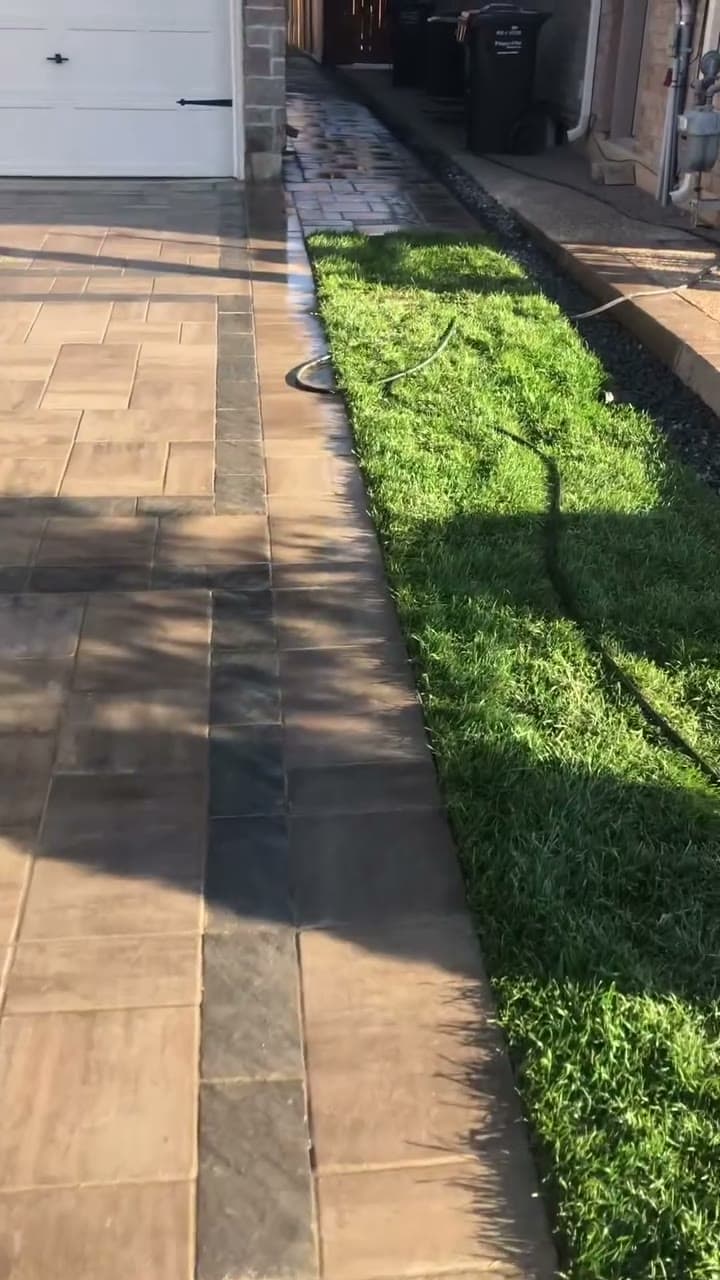
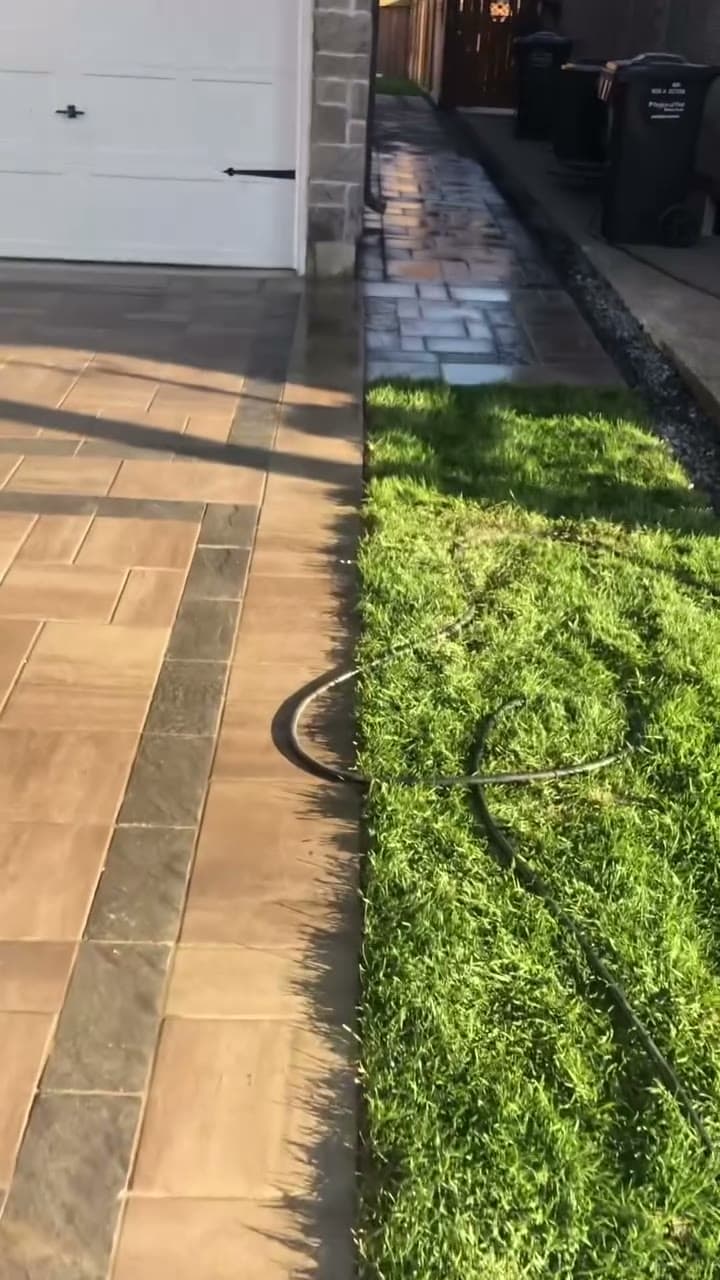
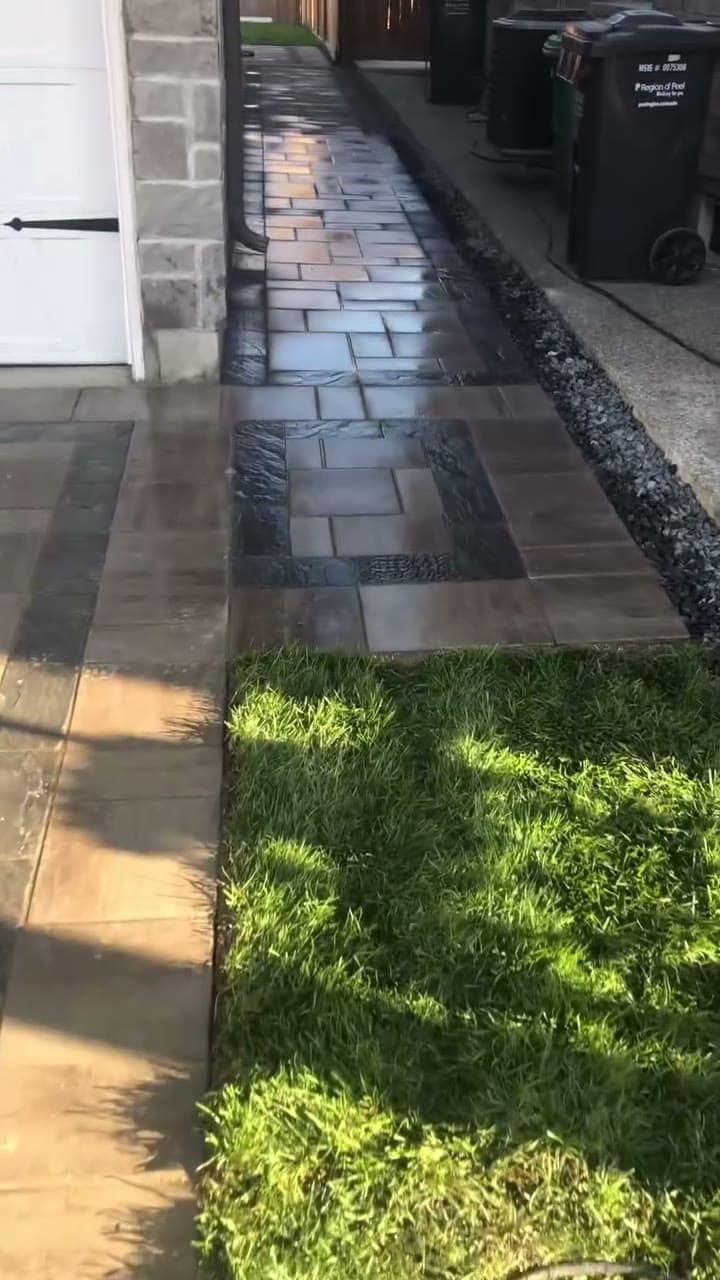
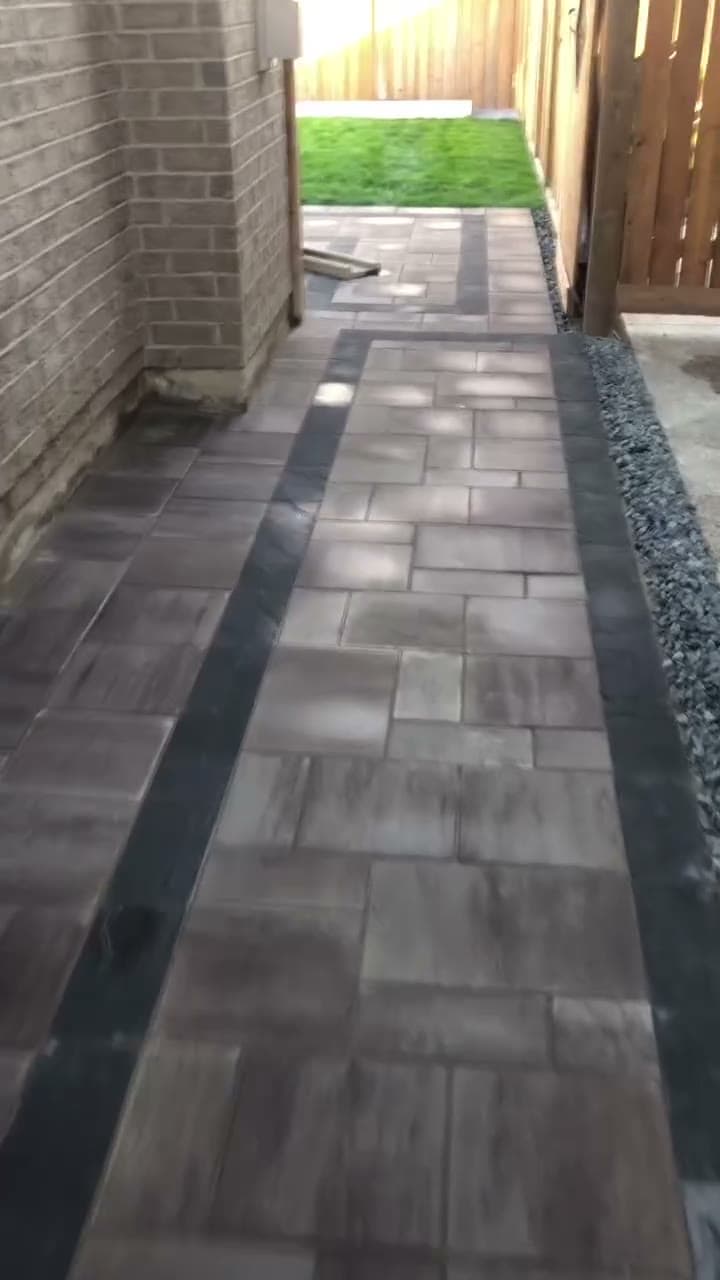
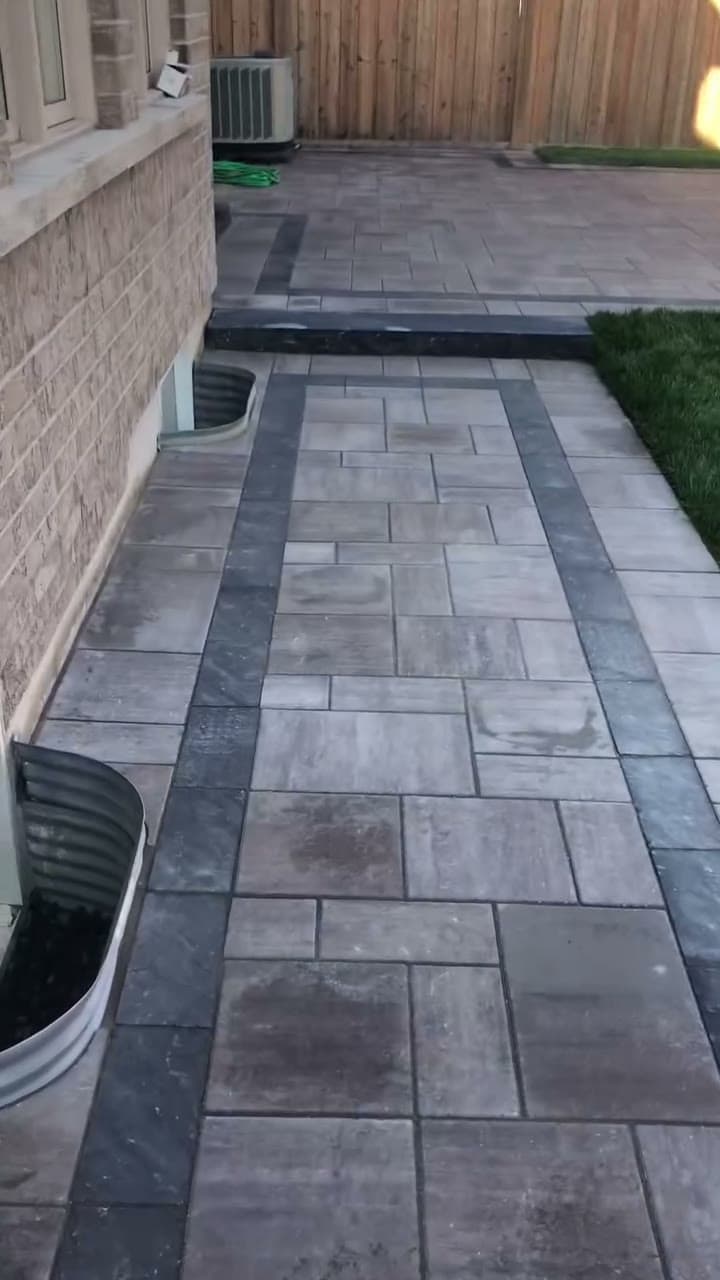
Contrasting border pavers and accent bands add visual definition to your driveway. We design borders that frame the driveway cleanly and integrate with walkways, steps, and landscaping features.
Walkways & Extensions
Many driveway projects include connecting walkways, front steps, or patio areas. We build these as part of the same base preparation and installation to ensure consistent grading, drainage, and appearance across your entire front yard.
Project Gallery
Project Video
Planning Your Project
Budget Considerations
Interlocking driveway costs depend on the area to be covered, the paver product selected, and the amount of excavation and base work required. We provide a clear, itemized estimate after measuring your driveway and discussing material options.
Timeline Planning
Most driveway interlocking projects take one to two weeks depending on size and complexity. Weather can affect scheduling, so we plan projects with appropriate lead time during the outdoor construction season.
Getting Started
Schedule a free site assessment where we evaluate your current driveway, discuss paver options, and measure the project area. We follow up with a detailed proposal including material choices, pattern layout, and pricing.
Frequently Asked Questions
How long does an interlocking driveway last?+
Do I need a permit for driveway interlocking?+
What about snow removal on interlocking?+
How deep does the base need to be?+
Ready to Start Your Project?
Get a free estimate from our team. We'll walk through your vision, timeline, and budget — no obligation.
Schedule Your Discovery CallGet in touch
Tell us what you need. We respond to every inquiry within 24 hours.